
Gene Simmons to Testify Before Senate to Support Artist Radio Play Compensation
Dissimilar to streaming, AM and FM radio do not currently require royalty payouts for every play
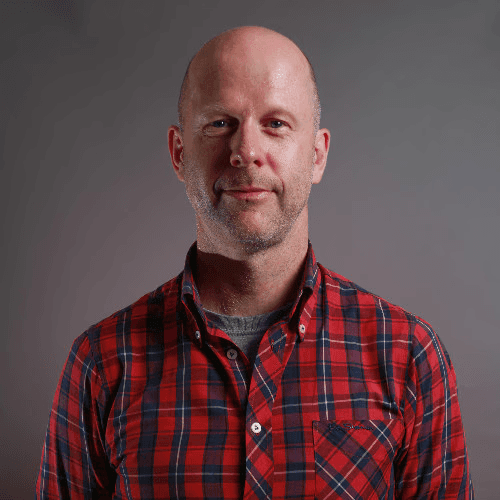
Gene Simmons, co-founder of the iconic rock band KISS, will testify before the US Senate’s Intellectual Property Subcommittee. The subject of the hearing is the American Music Fairness Act, which “establishes a performance right for sound recordings broadcast by terrestrial (AM/FM) radio.”
Why it matters:
Currently, AM/FM radio stations are not required to pay royalties to performers because of a loophole in the existing legislation regarding the issue.
If this bill passes, AM/FM will be similar to streaming, satellite radio, and internet radio, all of which require royalties to be paid every time the song is played.
musicFIRST, a coalition dedicated to fair artist compensation, has said that radio corporations earned $13.6 billion in advertising revenue in 2024.
Background:
The Recording Academy, musicFIRST, over 300 artists, and several community broadcasting groups all support the bill.
Simmons will testify alongside Michael Huppe, President and CEO of SoundExchange, an organization that collects and distributes streaming royalties to recorded rights owners.
What they said:
Simmons: “Having spent my career in the music and entertainment industry, I understand the vital importance of this issue. The American Music Fairness Act represents sound public policy. Artists must be properly compensated for their creative work. I look forward to meeting with both Republican and Democratic Senators to discuss why this legislation is crucial for thousands of present and future American recording artists.”
Gene Simmons
KISS
US Senate
American Music Fairness Act
musicFIRST
The Recording Academy
SoundExchange
Michael Huppe
Artist Rights And Royalty Disputes
Government Intervention In Royalties
Restoring The Artist Middle Class
Shift From Radio To Streaming
Songwriter Master Royalties
Closing Radio Royalty Loopholes
Policy & Legal
Public Performance Royalties
Songwriter Advocacy
Collection Society
Streaming Royalties
Neighboring Rights
Digital Radio
Artist Lobbying
United States
Washington, D.C., US
👋 Disclosures & Transparency Block
This article was written with information sourced from Music Business Worldwide.
We covered it because the story involves significant legislation for the music industry.