REI AMI

Asian Normalization in Music After One Year of ‘KPop Demon Hunters’
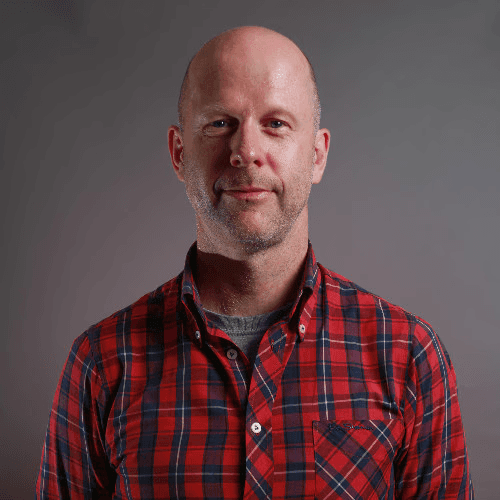
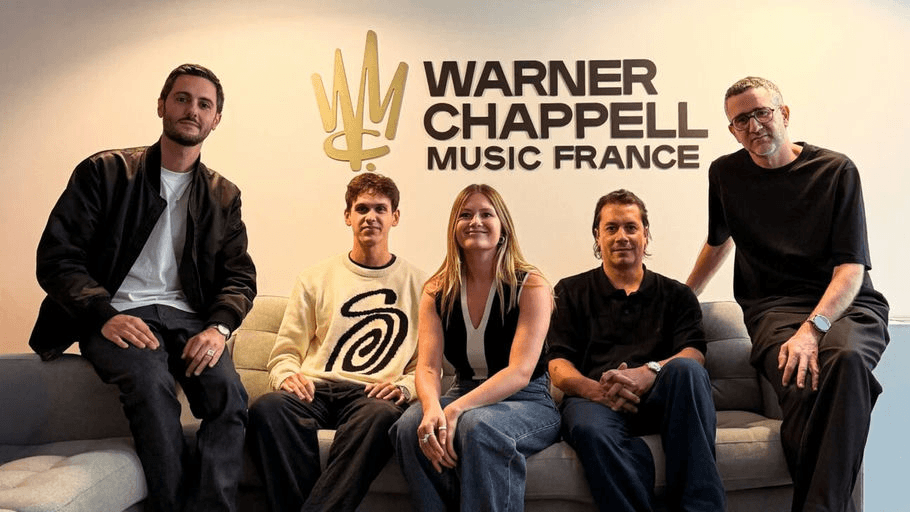
Wang and Cher are the Founder and President of JADED, which shepherded REI AMI and Audrey Nuna into the award-winning film
KPop Demon Hunters would not sound the same without Jaded, the diversified music company championing Asian talent. Jaded founder Jing Wang and president Cathleen Cher offer their clients an ecosystem that encompasses artist development, marketing, management, label services, distribution, and proprietary live events.
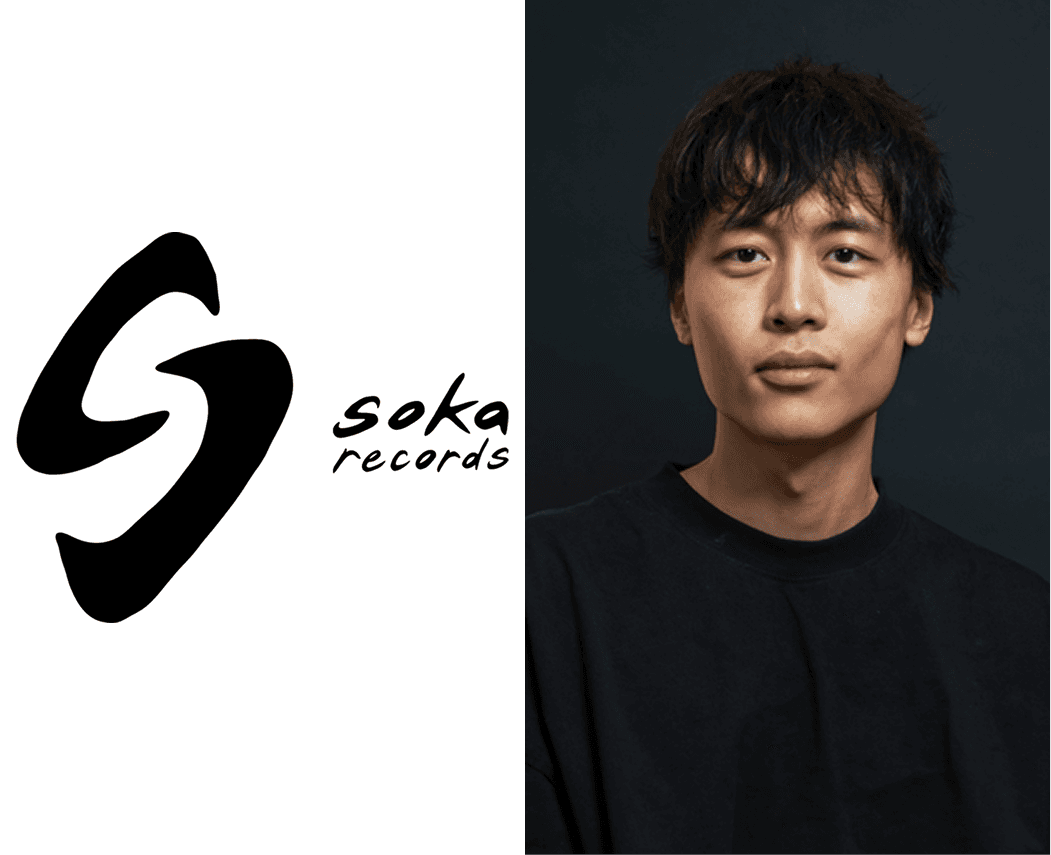
To the latter, they booked Audrey Nuna and REI AMI—who is also an artist development client at Jaded—for their SXSW 2024 music festival. Sony execs came to the event to see the acts, and after witnessing their powerful sets, Sony brought them in as two of the singing voices for HUNTR/X, the demon-battling K-pop trio leading the award-winning, record-breaking film. Audrey Nuna performed as Mira, and REI AMI performed as Zoey.
Following the unprecedented success of KPop Demon Hunters, the music industry is already adapting. The GRAMMYs just introduced the new Best Asian Pop Music Performance category, and Warner Music Asia-Pacific has launched Listen Up, a new accelerator program leveraging the Asia-Pacific region towards global recognition for its artists.
Below, Wang and Cher discuss how the movie has affected their business one year after its release.
One of JADED’s core principles is breaking barriers for Asian artists. How did KPop Demon Hunters affect those barriers?
Wang: The undeniable scale of KPDH’s reach goes a very long way towards proving demand and making culture more accessible and less “foreign.” It’s a historic step forward, but it also highlights the challenges that Asian artists continue to face in the industry. The truth is that success stories like KPDH in the western media market are still anomalies, and Asian artists constantly have to walk the line between being minimized to their cultural identity and being recognized for their actual artistry. Mass market representation in projects like KPDH are a crucial driver of cultural adoption, but the phrase we use a lot is “representation is the first step, normalization is the goal.” But we need to get through the door before we can rearrange the room.
Cher: There's so much authenticity in the Korean representation, but it's a universal story which is why the film resonated on such a global scale. Although so many barriers were broken down, the challenge of having K-pop be the most recognizable representation of Asian artists is that other artists may be pigeonholed into a genre that is not representative of the music they make or the culture they come from.
Wang: The response to “Golden” gives me hope and validates our vision. It’s technically a K-pop song, but its reception maps to a traditional pop song. It's a subtle difference, but it is an important one, and one that we strive to replicate and expand.
What was it like to work with REI AMI (who sang as Zoey) throughout this huge Sony project? From getting her booked to guiding her through all the success?
Cher: Obviously, major labels have a lot more resources, but that doesn't necessarily equate to success. Being as nuanced as we are, we really understand who an artist is and put them in places like our festival, which gets them in front of the right people. Also, we know how to market those artists in a way that larger entities may not understand.
Wang: Majors cast a wide net. We cast a deep one. We really have to believe in the artists that we work with, not just in their talent but in them as people. This process has shown the world the skill, drive, and intelligence of REI and of all three women who were on this journey together. This project required REI and the rest of HUNTR/X to step into characters, rather than to showcase their own creative identities. Everybody really understood the assignment, but also what the success of this project meant for their solo careers, and leveraged that momentum.
Is Sony in your corner for your artists moving forward?
Wang: I hope so! I can't say enough good things about the music creative affairs team at Sony. Genuinely, they're good people. Our industry relationships with the likes of Sony are a tenet of our ecosystem. This depth of relationship exists for us across gaming, movies, recorded music, and live entertainment. Consistency, competency, and integrity strengthens those bonds and creates credibility. It takes the entire ecosystem for a story like KPop Demon Hunters to occur.
Talking about getting in the room before you rearrange it, Sony can help you at least get in the room.
Wang: That's a big door for us to walk through. It's an interesting position to want to systemically change things without being able to change the actual architecture (yet). It starts with people. How do we engage people in decision-making roles? That fabric is woven over many years. It's a value proposition that has to be validated over and over again to maintain that trust. That part of our job is most important, but least visible. You see the success of Kpop Demon Hunters, but how much work did we have to do for things to align to get that one particular door open? That is the essence of our existence, as Jaded.
👋 Disclosures & Transparency Block
This article was written with information sourced from a QA with Jing Wang and Cathleen Cher