
No Fakes Act, Which Aims to Regulate AI Deepfakes, Passes Senate Judiciary Committee
The entertainment industry at large has expressed significant support for this bill
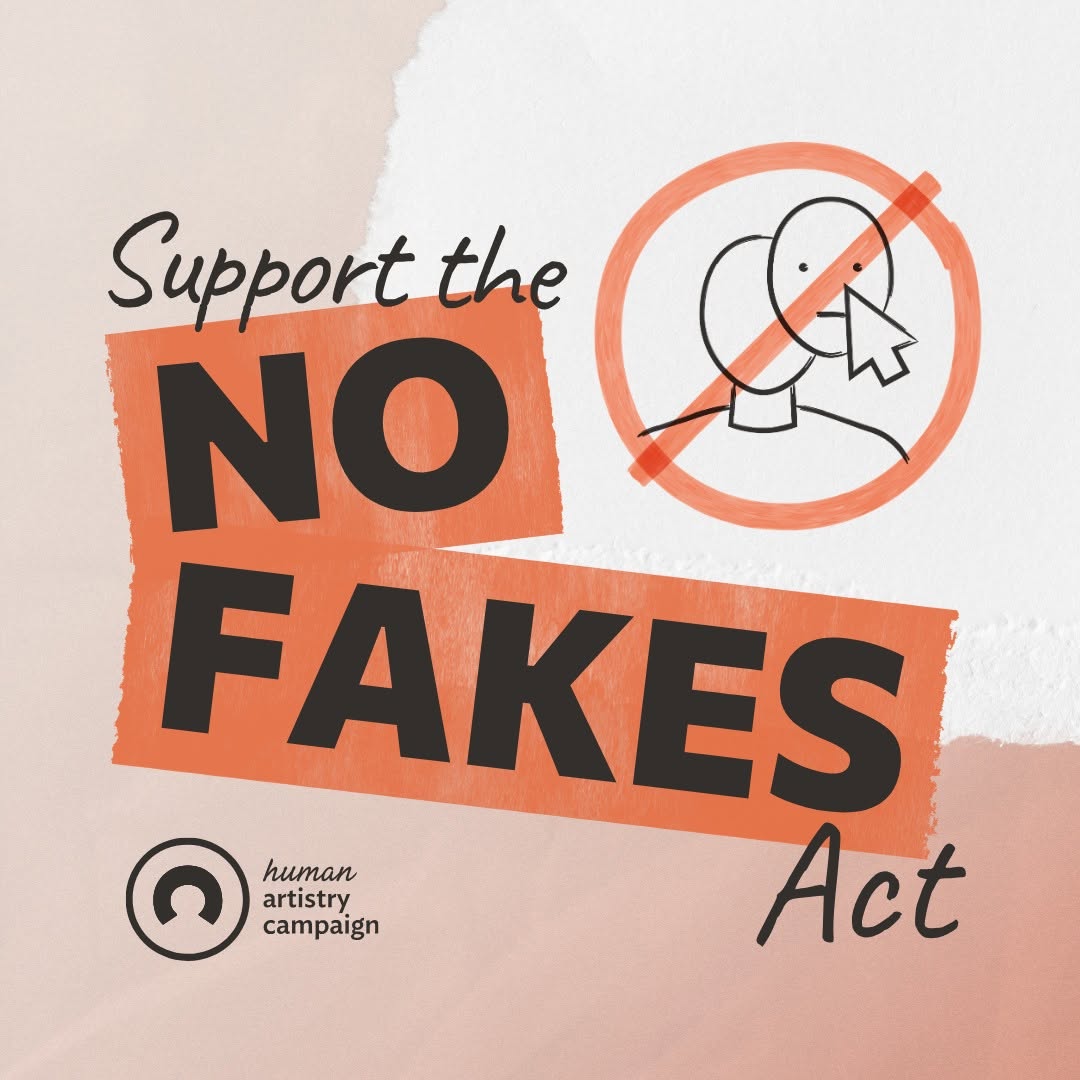
The US Senate Judiciary Committee just passed the NO FAKES Act, which stands for “Nurture Originals, Foster Art, and Keep Entertainment Safe.” This bill is designed to empower artists against the unauthorized use of their voices and likenesses, such as in AI deepfakes.
Why it matters:
While there are still several steps before the bill can become law, this latest development demonstrates significant bipartisan support at the federal level for protecting artists as AI becomes more powerful.
How it works:
Should the bill pass, some of the protections it will provide include:
Holding platforms liable for knowingly hosting unauthorized digital replicas.
Holding individuals and companies liable for distributing deepfakes.
Preventing those who profit from deepfakes from being able to claim First Amendment protection.
Critics of the bill cite that it could impugn free speech related to satire.
Background:
Endorsements come from major entertainment and tech companies such as:
Recording Industry Association of America (RIAA), SAG-AFTRA, Motion Picture Association, YouTube, Recording Academy, Universal Music Group, Warner Music Group, Sony Music, IBM, TikTok, OpenAI, Disney, The Independent Film & Television Alliance (IFTA), WME, and Creative Artists Agency (CAA).
What they said:
Mitch Glazier, Chairman and CEO of the RIAA: “We are encouraged by today’s passage in the Senate Judiciary Committee and look forward to the bill’s passage into law later this year.”
US Senate Judiciary Committee
NO FAKES Act
Mitch Glazier
Recording Academy
SAG-AFTRA
Motion Picture Association
Social Media Platform Regulation
AI Deepfake Legislation
Artist Likeness Protection
Image Rights
Trade Organizations
AI Regulation
Legislative Bills
WME
YouTube
IBM
TikTok
OpenAI
Disney
The Independent Film & Television Alliance
Recording Industry Association of America
United States
Washington, US
👋 Disclosures & Transparency Block
This article was written with information sourced from Deadline.
We covered it because this bill has the potential to drastically affect how AI is used in music.