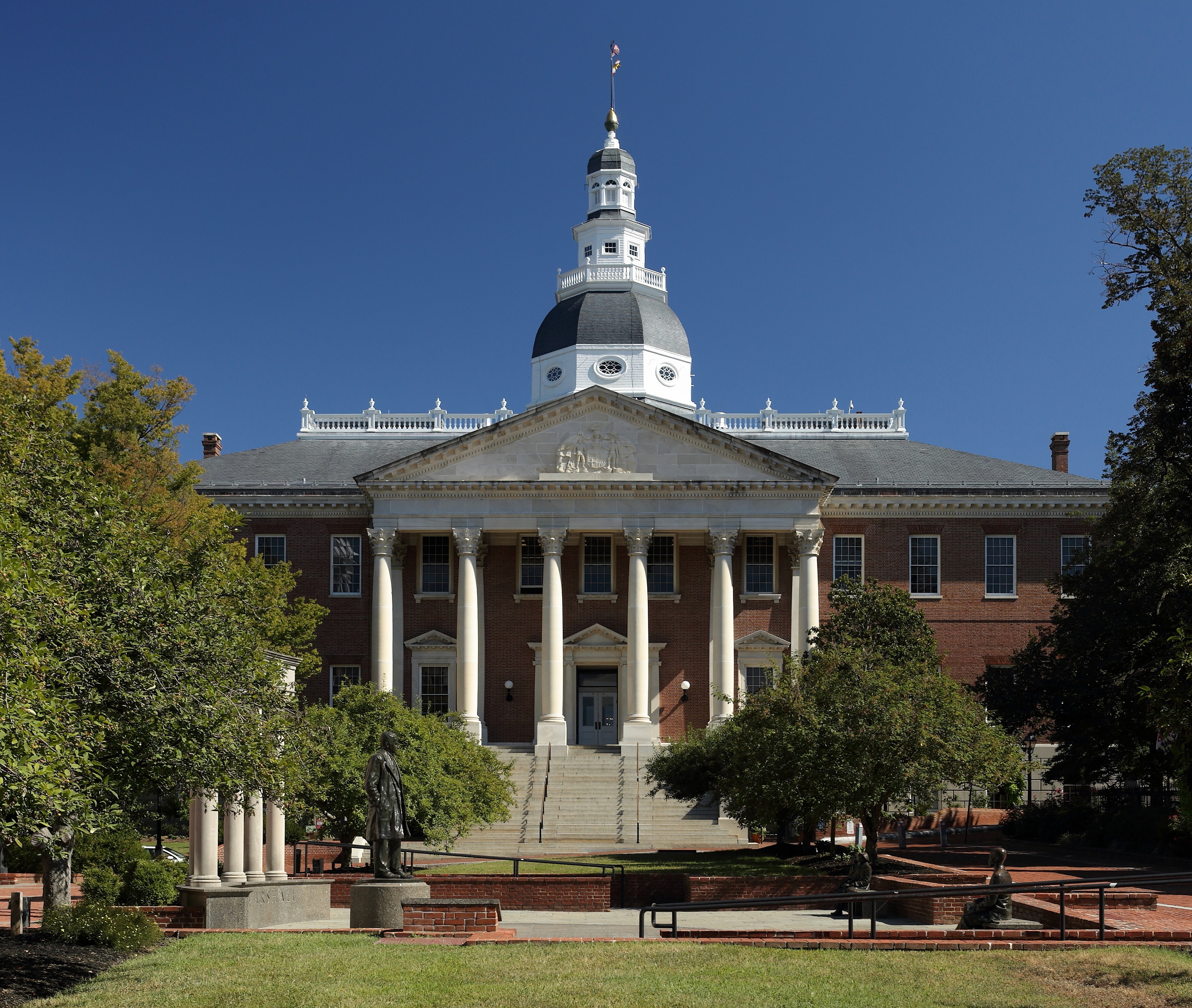

Maryland Passes PACE Act, Restricting Rap Lyrics From Being Used as Criminal Evidence
Maryland is the third state in the US to pass legislation on this topic
Maryland officially passed the Protecting Artists’ Creative Expression (PACE) Act last Thursday, April 9, to prevent prosecutors from citing rap lyrics in criminal cases against the artists who wrote them. Governor Wes Moore is expected to sign the bill.
Why it matters:
Rap lyrics have been used as evidence against the rappers who wrote them for decades.
A widely publicized case was when Bay Area rapper Mac Dre was convicted of conspiracy to commit robbery in 1992 after lyrics from his song “Punk Police” were admitted into evidence.
In 2023, famed rapper Young Thug’s lyrics were used against him in his trial for racketeering.
Critics argue that the practice violates free speech as lyrics are a form of creative expression, and thus are open to interpretation.
The law:
Under the PACE Act, a judge decides that lyrics meet certain standards to be admitted into evidence.
One key standard is that the lyrics must show that the writer was intending to depict the evidence of the case in question when they wrote them.
California and Louisiana recently passed similar laws.
What they said:
Harvey Mason Jr., CEO of the Recording Academy: “The passage of the PACE Act in Maryland marks an important victory for music creators. Silencing any genre or form of artistic expression is an attack on creative freedom.”
👋 Disclosures & Transparency Block
This article was written with information sourced from Billboard.
We covered it because this legislation directly affects the music industry.