Posthumous Likeness Rights
Posthumous Likeness Rights, also known as post-mortem right of publicity, refer to the legal ability to control and profit from a deceased individual's name, image, and likeness after their death. In the music industry, these rights are crucial for managing the legacy and commercialization of deceased artists' personas, including their use in new recordings, merchandise, or digital representations like holographic performances¹. The duration and scope of these rights vary significantly by jurisdiction, with some states recognizing them for a period ranging from 10 to 100 years post-mortem². This theme also encompasses legal challenges related to unauthorized use and the balance between commercial interests and freedom of expression³.

Posthumous Likeness Rights
Posthumous Likeness Rights, also known as post-mortem right of publicity, refer to the legal ability to control and profit from a deceased individual's name, image, and likeness after their death. In the music industry, these rights are crucial for managing the legacy and commercialization of deceased artists' personas, including their use in new recordings, merchandise, or digital representations like holographic performances¹. The duration and scope of these rights vary significantly by jurisdiction, with some states recognizing them for a period ranging from 10 to 100 years post-mortem². This theme also encompasses legal challenges related to unauthorized use and the balance between commercial interests and freedom of expression³.
Related News
Related News
Policy & Legal
Nov 28, 2025
1 min read
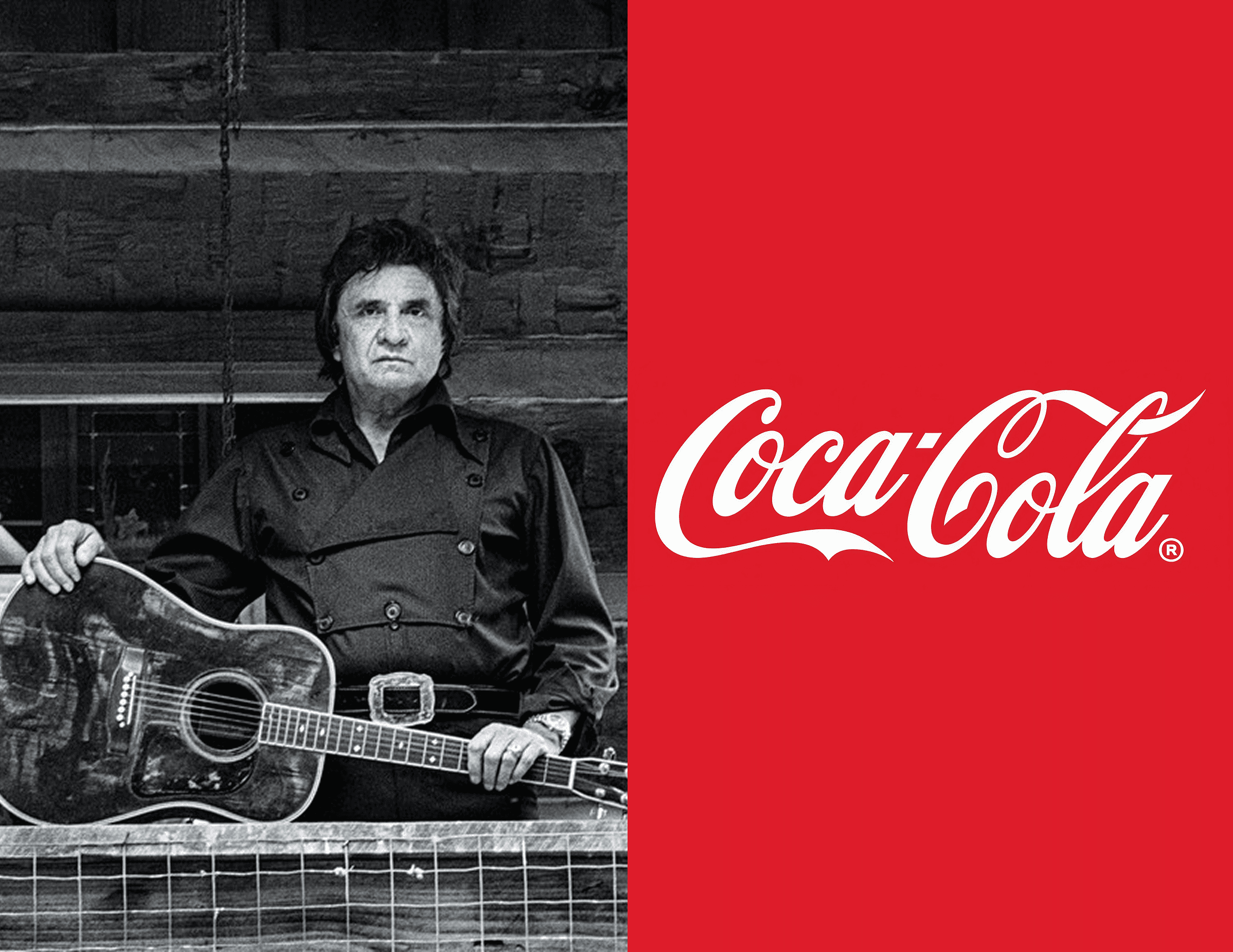
Johnny Cash Estate Sues Coca-Cola
The claim relates to the beverage giant’s use of a sound-alike singer in a TV ad
Johnny Cash Estate Sues Coca-Cola
The claim relates to the beverage giant’s use of a sound-alike singer in a TV ad
Policy & Legal
Nov 28, 2025
Tech & Innovation
Oct 23, 2025
2 min read
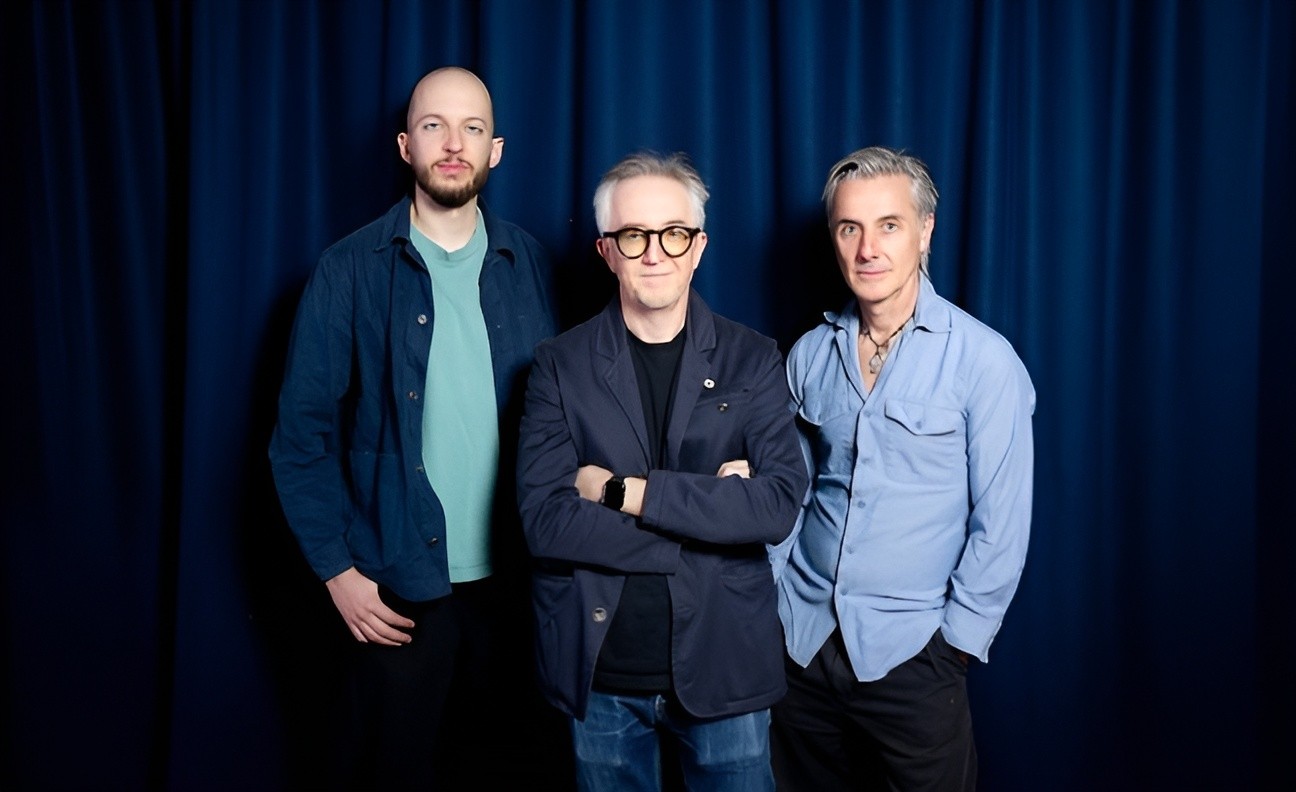
Industry Vets Unveil Unit1 Studio, the World’s First Avatar Concert Producer
Its first collaboration is with Grammy-nominated artist KT Tunstall
Industry Vets Unveil Unit1 Studio, the World’s First Avatar Concert Producer
Its first collaboration is with Grammy-nominated artist KT Tunstall
Tech & Innovation
Oct 23, 2025
Policy & Legal
Oct 20, 2025
1 min read
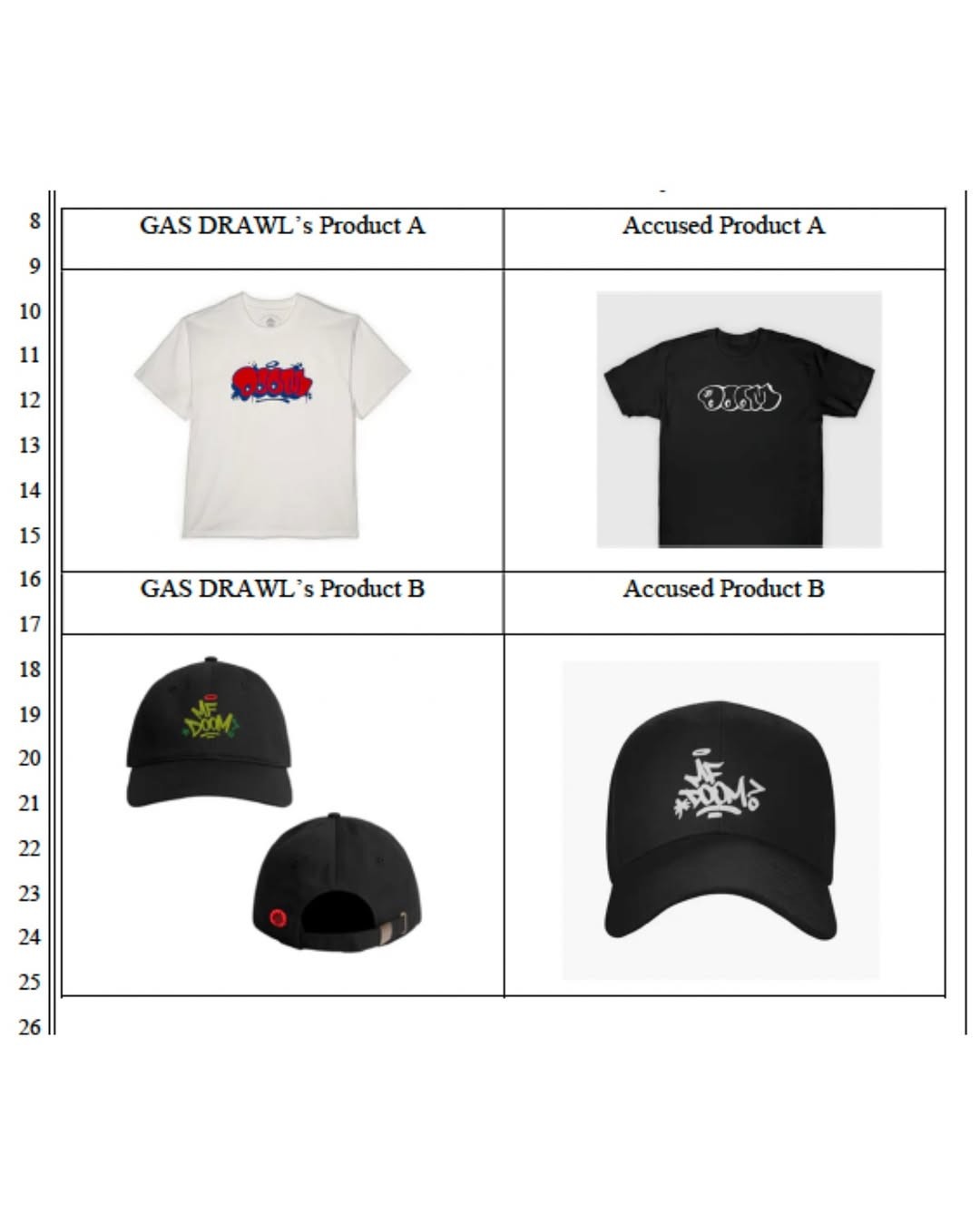
Temu Seeks to Dismiss Lawsuit Over Bootleg MF Doom Merch
Claims it isn’t responsible for independent sellers on its platform
Temu Seeks to Dismiss Lawsuit Over Bootleg MF Doom Merch
Claims it isn’t responsible for independent sellers on its platform
Policy & Legal
Oct 20, 2025
📨 Subscribe to NIF
Get news dropped in your inbox 👇
Featured Jobs
Selected open roles from Jobs by ROSTR